Bigo Live Clone for Agencies: Workflow and Recovery
A bigo live clone for agencies is not the same thing as a consumer app with a few extra dashboards. Agencies operate the platform differently. They care about creator cohorts, schedule stability, room performance, payout visibility, and how quickly they can recover when a host fails to show up or a room underperforms. If the product does not support that workflow, the agency ends up building a manual layer on top, and that becomes painful pretty quickly.
The agency side is where the product starts to feel like a business tool instead of a social toy. That is a good thing, but it also means the software needs to be clearer. Agency operators do not want to guess. They want to know which creators are active, which rooms are healthy, and where the weak points are. If they cannot see that quickly, they start losing trust in the platform.
Agency Workflows Need Their Own Structure
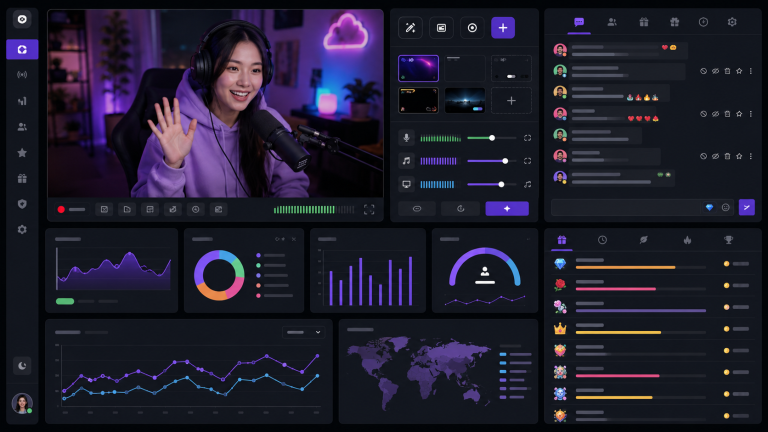
Creators and agencies do not need the same tools. The creator needs room controls and clear feedback. The agency needs oversight, reporting, and scheduling logic. Mixing the two too much makes the product feel messy. Separating them too much makes the product feel disconnected. So the goal is a shared platform with different views and responsibilities.
- Creator view for live room control and session flow
- Agency view for roster, scheduling, and performance tracking
- Admin view for moderation, reports, and account actions
- Revenue view for gifts, payouts, and dispute visibility
That structure gives each team what it needs without forcing everyone into the same interface. It also reduces mistakes because people are less likely to use the wrong tool for the wrong task.
Why No-Show Recovery Matters So Much
In agency operations, a no-show is not just a missed stream. It can trigger a chain of problems: audience frustration, weaker payout confidence, schedule disruption, and a manager having to reshuffle the day. That means no-show recovery is not a small feature. It is part of the agency’s operating system.
A good live clone should make recovery faster, not harder. That could mean backup host assignment, schedule alerts, or a clear dashboard that shows gaps before they become visible to the audience. The better the recovery path, the less damage the agency takes when something goes wrong.
How Reporting Changes Agency Behavior
Agency leaders make decisions from the reports they trust. If the reports are vague or delayed, they stop using them and start relying on side chats and memory. That is inefficient and usually leads to bad decisions. A good dashboard gives them the reality fast enough to act.
Useful reporting is not just chart heavy. It should answer practical questions: which hosts are consistent, which rooms convert, where are the payment bottlenecks, which creators need support, and what happened after a moderation event. That kind of reporting turns the platform into a management tool, not just a broadcast app.
Monetization for Agencies Is More Operational Than People Expect
Agencies think about monetization differently from casual users. They want repeatable revenue from creators, not just one-off room spikes. That means the platform should make gift behavior, payout behavior, and creator engagement easy to monitor. If those numbers are hidden, the agency cannot manage the business well.
This is why the monetization layer and the agency layer should be designed together. If the room creates spending but the agency cannot see why it worked, the product loses strategic value. Transparency helps them scale the right behaviors.
Where This Fits in the Bigger Product
If you are building a bigo live clone for agencies, treat the agency workflow as a core product surface, not a side admin feature. It should be part of the launch plan, not something you patch in later. Otherwise the buyers will still need spreadsheets and workarounds, and that defeats the purpose.
For the main commercial reference, use the source code page here: Bigo Live Clone source code and white-label live streaming solutions. For room behavior and retention structure, this page is a good companion: trust is built in small uncertain moments.
FAQ
Is an agency version different from a normal live app?
Yes. It needs roster, reporting, and schedule management that fits how agencies work.
Do agencies care about admin tools?
Very much. They rely on them to keep operations predictable.
What makes agency retention good?
Fast visibility, reliable scheduling, and clear monetization data.
Next Step
If you want a bigo live clone that agencies can actually run without a lot of manual glue, design the agency workflow as part of the product, not as an afterthought.