Poplive App Clone Architecture Review for Buyers
A Poplive app clone is easy to misunderstand if you only look at the first screen. The homepage may show live rooms, voice rooms, nearby hosts, private chat, gifts, rankings, and recharge buttons. That surface is useful for a demo, but the real product is underneath: room state, wallet ledger, host income, agency control, moderation, and admin review. If those parts are weak, the app can look finished and still be hard to operate.
This article is a buyer-side technical review. It is written for teams comparing Poplive-style live entertainment app source code, not for someone who only wants a pretty UI package. The goal is simple: what should you inspect before paying for a Poplive app clone, and which technical details decide whether the product can survive real users?
The same logic applies if you are comparing Poppo-style, Bigo-style, Yalla-style, or live voice dating platforms. Different brands use different words. The hard parts are similar: real-time rooms, paid interaction, user trust, wallet accuracy, and operational control. If you need a broader live-streaming platform overview, start with the Bigo Live Clone Pages collection and use this article as the Poplive-specific technical layer.
The Core Product Is Not One Room Type
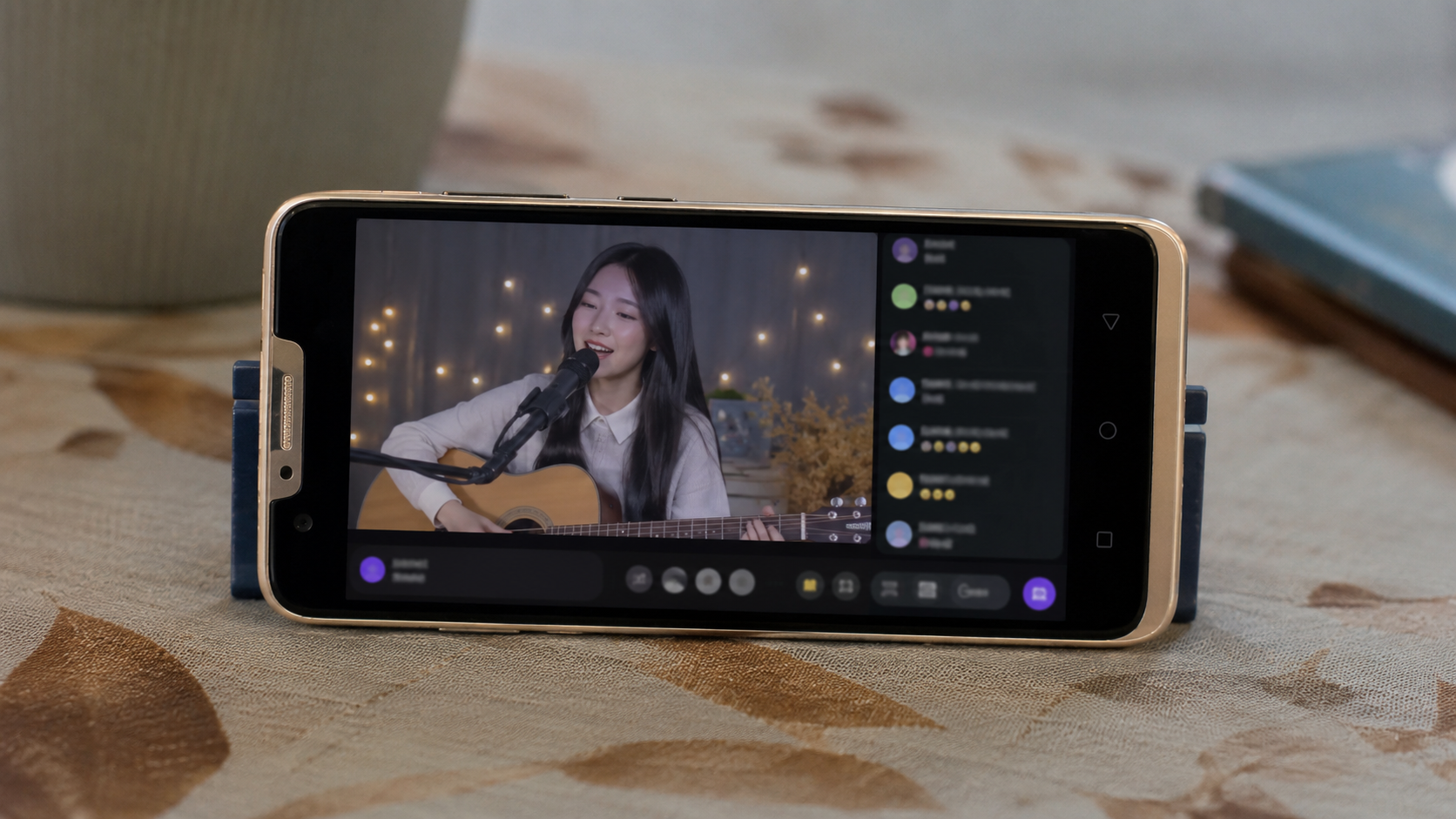
A Poplive-style app usually mixes several social scenes. Public live rooms bring attention. Voice rooms keep people talking for longer. 1v1 video or audio calls create direct monetization. Short posts or moments keep users browsing when they are not inside a room. Private messages move users toward retention and paid interaction.
The technical risk is fragmentation. If each scene has separate user logic, wallet logic, report logic, and host income logic, the app will become difficult to operate. A better source code package treats these scenes as different front doors into one platform.
- One account identity across live, voice, chat, and 1v1 calls.
- One wallet ledger with scene-specific transaction types.
- One host income model that separates gifts, calls, and bonuses.
- One moderation timeline for reports, bans, mutes, refunds, and appeals.
- One admin panel that can search users, rooms, orders, gifts, and calls.
If a seller cannot explain how the same user moves across these scenes, the code may still launch, but customization and support will be painful.
Room State Should Be Server-Led
Live and voice rooms depend on real-time state. The room is open or closed. A host is online or reconnecting. A viewer joined, left, muted, sent a gift, got kicked, or reported the room. These actions must have a reliable source of truth.
Client-driven room state is a common shortcut. It feels fast in a demo. It also causes ghost users, wrong viewer counts, gift animations without confirmed transactions, and room actions after admin closure. Server-led room state is safer. The client sends intent. The backend validates. The server broadcasts confirmed events.
room_event:
  event_id: evt_20260716_4412
  scene: live_room
  room_id: poplive_88201
  sequence: 2217
  type: gift_confirmed
  actor_id: u_1902
  host_id: h_7710
  related_wallet_tx: tx_991832
  created_at_ms: 1784185902011
This event model makes reconnect recovery and admin review easier. If a user complains that a gift did not show, support can check the event, wallet transaction, and host income record instead of guessing.
Wallet Ledger Is The Business Backbone
Poplive-style apps monetize through coins, gifts, paid calls, VIP features, host earnings, and withdrawals. That means wallet design is not a small module. It is the business backbone.
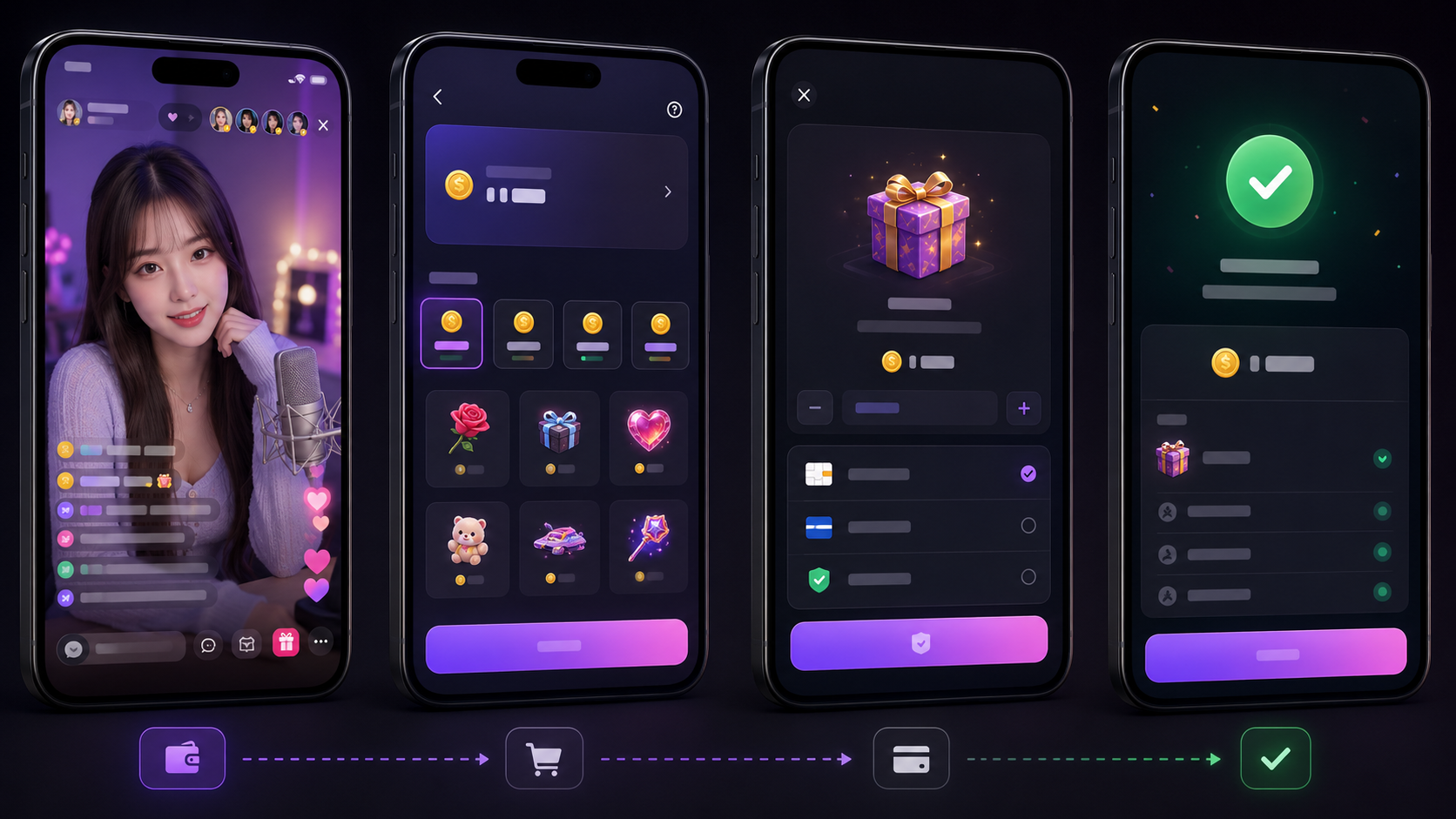
A safe wallet flow keeps an auditable ledger. Recharge adds coins through an order. Gifts subtract coins and create host income. Paid calls charge by rule. Refunds and manual adjustments are logged. Withdrawals move host earnings through review before payout.
- Recharge order should be idempotent, so duplicate callbacks do not credit twice.
- Gift transactions should reference room, sender, receiver, gift ID, and price at send time.
- 1v1 call billing should record connect time, billed duration, rate, and end reason.
- Host income should separate pending, review hold, and withdrawable balance.
- Manual balance changes should include operator, old balance, new balance, and reason.
If the app only stores a user coin balance and a host balance, you should slow down. Balance is a result. Ledger is proof.
Gift System Needs Versioning
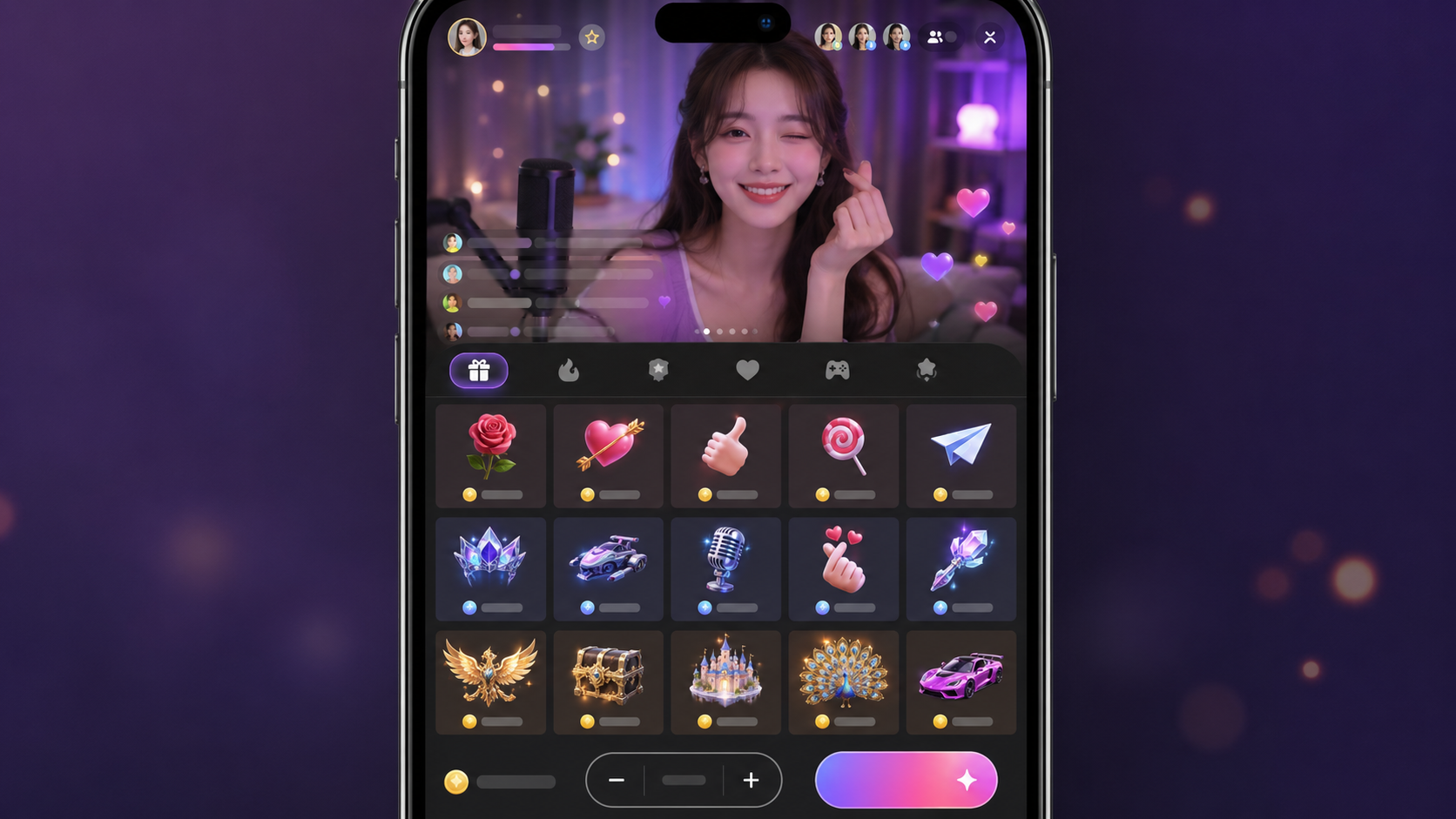
Gifts look like UI assets, but they behave like financial products. A gift has a price, animation, icon, enabled status, market visibility, combo rule, and settlement effect. If the price changes next week, old transactions should still preserve the old price.
Versioning matters for three reasons. First, clients cache assets. Second, old records need historical accuracy. Third, market campaigns may enable different gifts for different regions. A weak gift module cannot handle this without manual database edits.
Host And Agency Operations Decide Supply
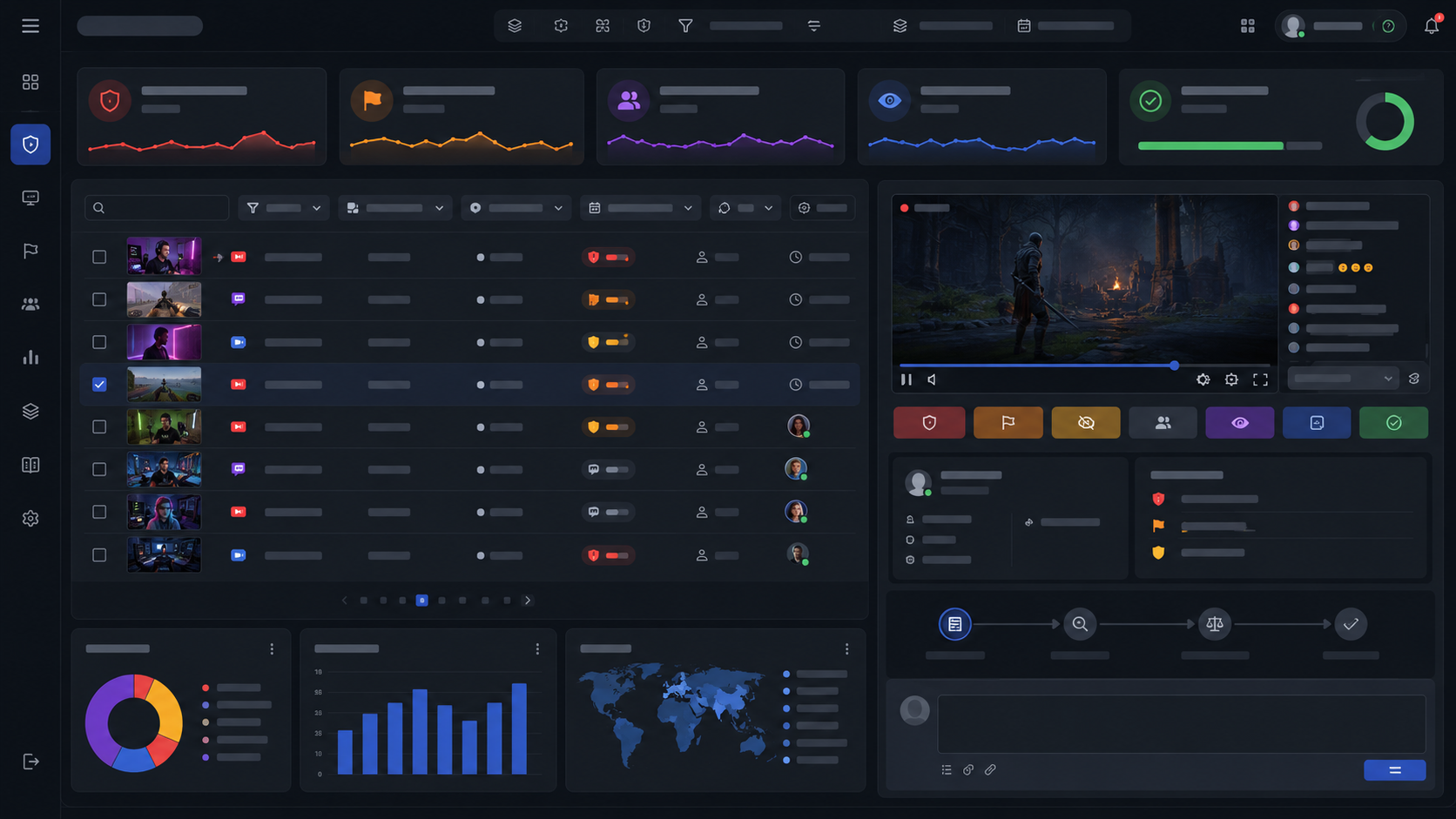
Apps like Poplive often need host supply. The platform may use direct hosts, agencies, or regional managers. This cannot live only in spreadsheets for long. Admin should track host identity, agency binding, live hours, gift value, paid call income, report history, withdrawal status, and settlement rules.
A good admin workflow lets an operator answer practical questions quickly:
- Which hosts were active this week?
- Which agency owns this host right now?
- How much valid gift value did the host receive?
- How much income came from private calls?
- Why was a withdrawal rejected?
- Did this host receive repeated reports?
If these answers require database access, the admin panel is not ready for real operations.
Moderation And Risk Cannot Be Added Last
Live entertainment apps attract money, strangers, and fast interaction. Moderation and risk control should not be an afterthought. At minimum, the system needs user reports, room close reasons, mute/kick logs, device signals, suspicious gifting rules, refund records, and withdrawal holds.
The best early risk controls are often simple. New users sending large gifts within minutes. Many accounts on one device gifting the same host. Paid calls with high refund rate. Hosts withdrawing immediately after abnormal gift spikes. These signals should be visible in admin before major losses happen.
Buyer Acceptance Checklist
- Build Android and iOS on a clean buyer machine.
- Create a live room, send gifts, reconnect, and close from admin.
- Run a paid 1v1 call and verify wallet billing.
- Recharge once, replay callback once, and confirm coins credit only once.
- Bind a host to an agency and check settlement report.
- Change a gift price and verify old records keep old price.
- Report a room and check moderation logs.
- Request withdrawal and verify pending/review/approved states.
FAQ
Is a Poplive app clone only a live streaming app?
No. Most Poplive-style products combine live rooms, voice rooms, private chat, paid calls, gifts, wallet, host income, and admin operations.
What is the most important technical module?
Wallet and room state are the two highest-risk modules. If either one is weak, support and finance problems appear quickly after launch.
Should source code include the admin panel?
Yes. A commercial source code package without admin control is not enough. Operators need room management, wallet review, gift control, host settlement, moderation, and reports.
Can this be customized for different markets?
Yes, but only if the code separates configuration from core logic. Payments, language, gifts, agency rules, and room categories should be configurable or clearly scoped for development.
Need Poplive app clone source code review?
If you want to buy or customize a Poplive-style live entertainment app, I can help review source code, wallet flow, room logic, host agency tools, admin panel, and deployment scope.
WhatsApp: +44 7999 529473
Mail: [email protected]