A bigo live clone source code price page should do more than throw out a vague number. Serious buyers want to know what the price includes, what changes the budget, and whether they are paying for a demo build or a product they can actually launch and operate.
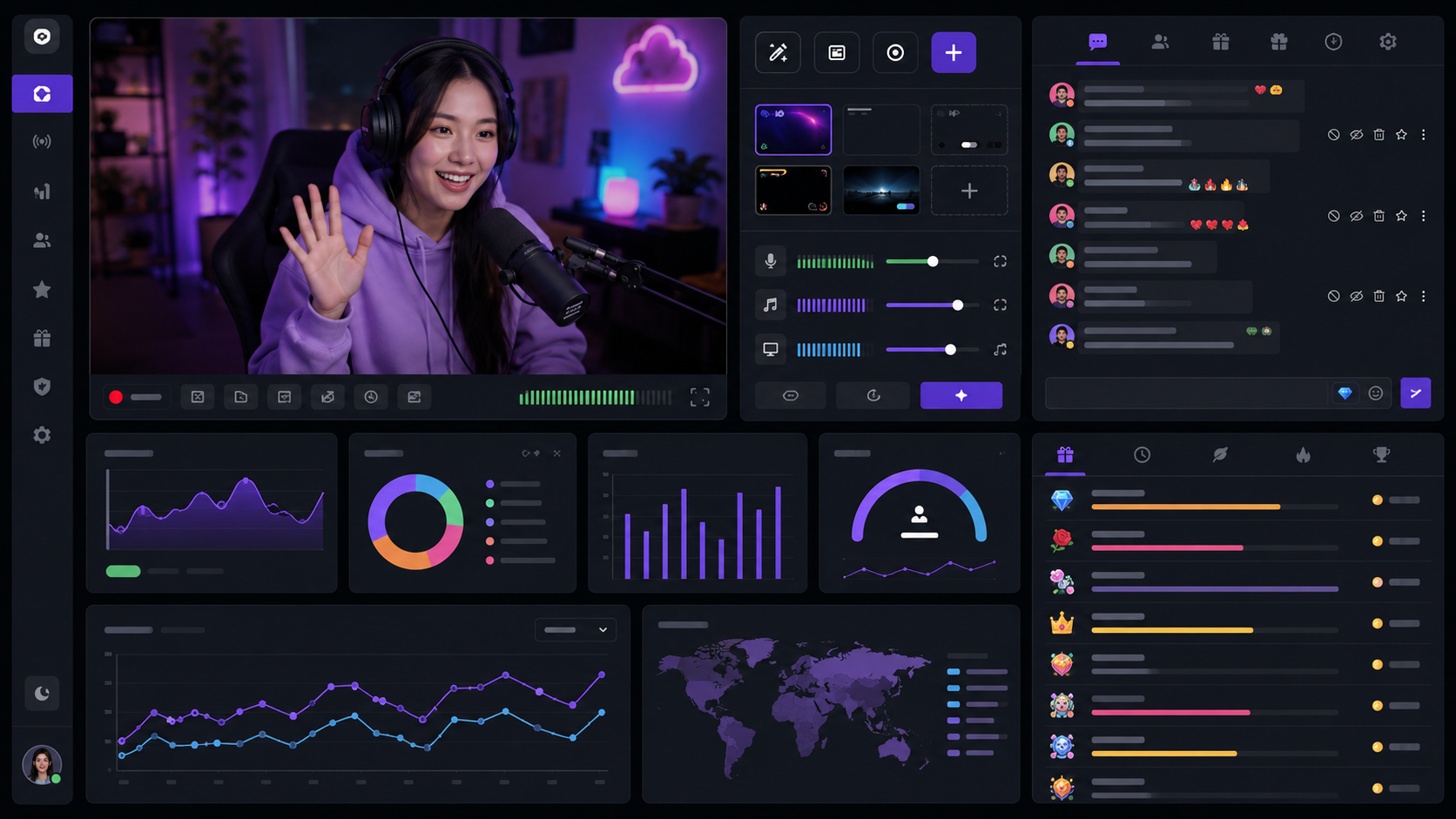
What Usually Affects Source Code Price
- Android, iOS, and web scope
- White-label branding and UI customization
- Gift system, wallet flow, and payment integration depth
- Admin dashboard and moderation tooling
- Launch support and post-delivery fixes
The price changes because the scope changes. A lighter build may be enough for testing. A production-ready package usually includes far more of the operating layer.
Why Source Code Changes the Value Equation
Source code ownership gives buyers more than access. It gives speed and control. If the team needs to localize, adjust the product, or expand into new markets, source code makes that easier. That is why many buyers compare not only the number on the quote, but the amount of control included inside it.
Cheap vs Complete
A cheap quote can be reasonable if the goal is only a narrow test. But if the platform is meant to become a real business, buyers should look closely at what is missing. Weak admin tooling, no support, or limited customization often shifts cost from the vendor quote to the internal team later.
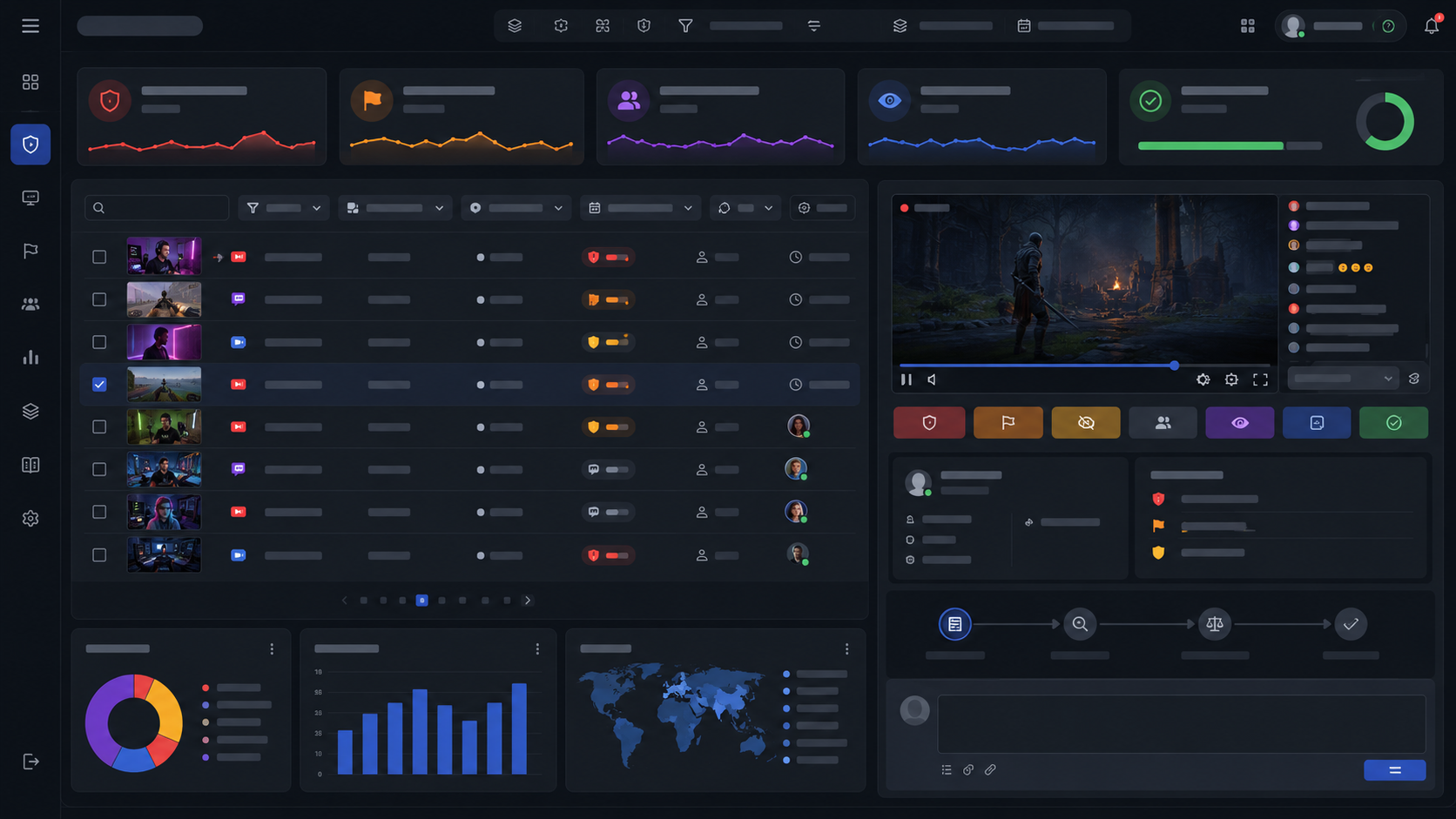
How to Read a Price Quote Properly
Compare scope line by line. Ask what is included, what is custom, what support exists after delivery, and whether the quote includes enough for a stable launch. That makes the price conversation much more honest.
FAQ
Is there one fixed source code price?
No. The number depends on platforms, customization, and support scope.
Does white-label change the quote?
Yes. Branding, UI changes, and localized setup usually affect the total.
Should I ask about support with the price?
Yes. Price without support terms is incomplete for a live product.
Next Step
If you want a clear bigo live clone source code price discussion based on actual scope, contact us with your platform, branding, and launch requirements.