Voice rooms and 1v1 matching work well together when the product is designed as a funnel. Public rooms create trust and social proof. Private 1v1 calls create direct monetization. The user listens in a room, notices a host, checks the profile, follows, sends a gift, then starts a paid private call later.
The mistake is treating voice rooms and 1v1 calls as separate tabs with no shared logic. The better approach connects profiles, wallet, host income, reports, and ranking. Then voice rooms become more than chat spaces. They become discovery channels for paid interaction.
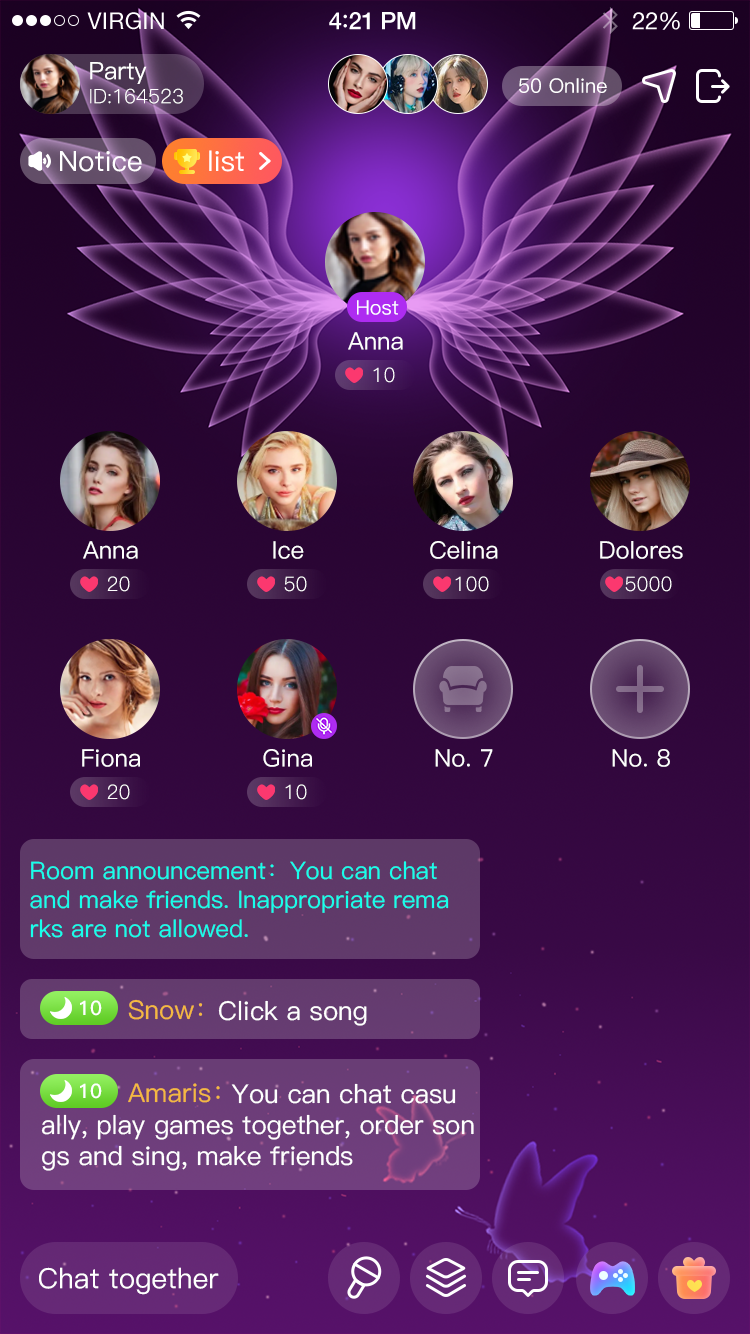
The Funnel Starts In Public Rooms
A public voice room lets users sample hosts before paying. This lowers friction. The room should show host profile, seat state, gift activity, followers, and whether the host accepts private calls. The profile should make the next step obvious without being pushy.
- Follow host from room.
- Send gift from room.
- View call rate and availability.
- Book or start 1v1 call if host is available.
- Respect block/report status across both scenes.
Private Call Rules Need To Be Visible
Users pay more confidently when rules are clear. Show rate, minimum balance, expected billing, host status, and call type before the call starts. If the app hides these rules, refund requests increase.
private_call_offer:
  host_id: u_7782
  source_scene: voice_room
  source_room_id: vr_9091
  call_type: video
  rate_per_minute: 160
  min_balance_required: 320
  host_status: available
  safety_state: normal
Host Ranking Should Not Reward Only Gifts
If a host earns from both voice-room gifts and 1v1 calls, ranking should avoid simple totals. A host with high gifts but many reports may not be healthy. A host with fewer gifts but strong call completion may be valuable. Admin should support separate metrics.
- Voice room live hours.
- Gift value and valid gift value.
- 1v1 call completion rate.
- Repeat callers.
- Report rate and refund rate.
- Agency contribution.
Wallet And Settlement Must Split Scenes
One wallet can serve both features, but transaction records should identify the source scene. Gifts, paid calls, private room tickets, bonuses, refunds, and manual adjustments should not be mixed into one unreadable list.

Admin Needs A Joined View
Support should open a host profile and see voice-room performance, private call income, reports, wallet records, and agency relation together. If these are separated, every dispute takes too long.
For buyers, the best demo is an operational demo: start from a voice room, send a gift, follow a host, begin a 1v1 call, end the call, then trace every record in admin.
Buyer Acceptance Checklist
- Enter voice room, follow host, and start a 1v1 call from host profile.
- Send gift and pay for private call from the same wallet.
- Check host income split by gifts and calls.
- Report host from private call and verify room visibility rules.
- Review agency report containing both room and call income.
- Test Android low-end performance while switching scenes.
FAQ
Why combine voice rooms with 1v1 matching?
Voice rooms help users discover hosts naturally. 1v1 matching monetizes stronger intent after trust is built.
Should gifts and calls use separate balances?
Usually one coin wallet is simpler, but ledger records should separate gift spend from call billing.
What is the key source-code risk?
Poor scene integration. If profiles, wallet, reports, and host income are not shared correctly, operation becomes messy.
Need a voice room and 1v1 matching app?
Contact me for source code review, demo, wallet flow, host agency logic, and admin panel scope.
WhatsApp: +44 7999 529473
Mail: [email protected]