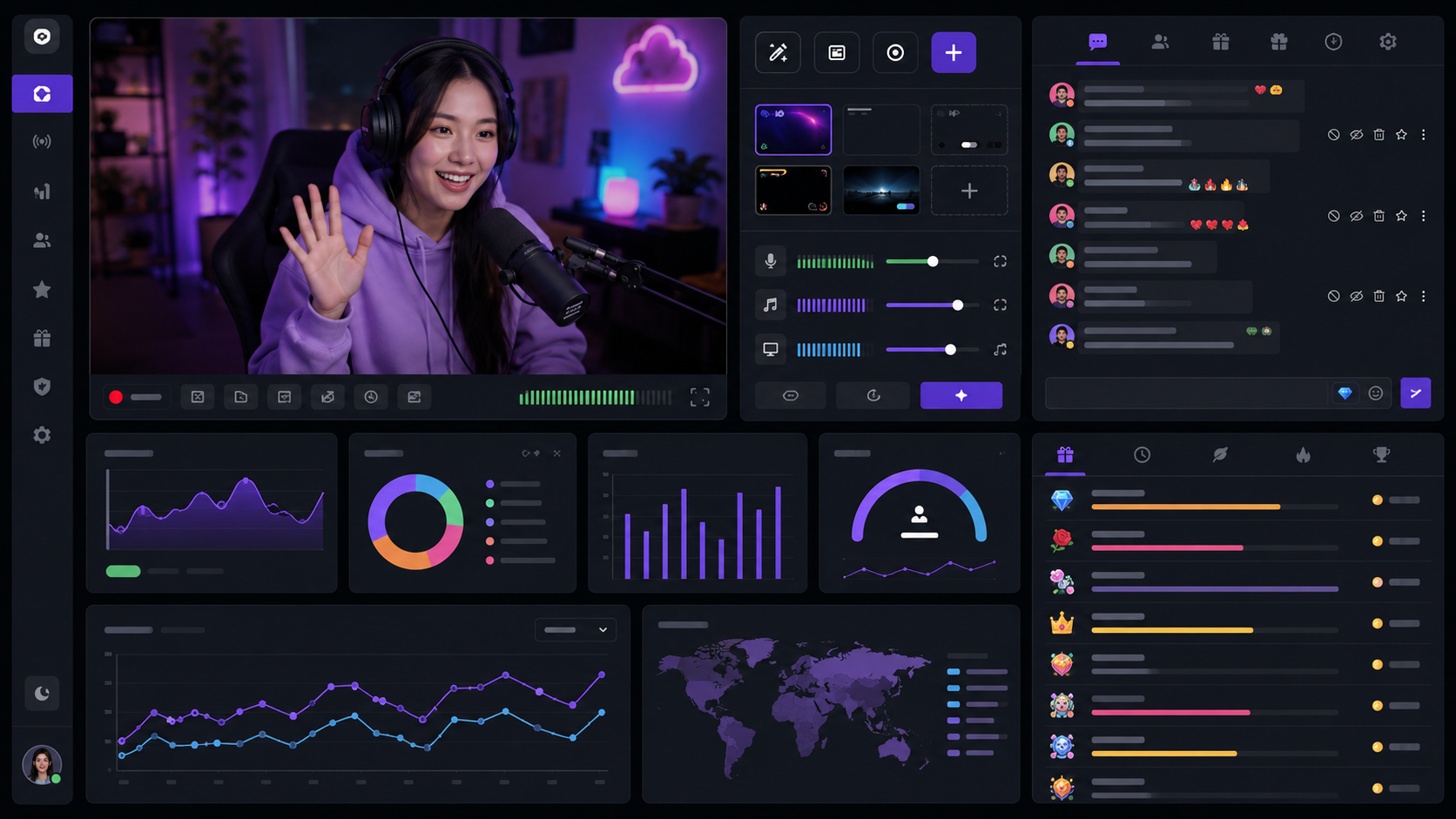
Bigo Live Clone Script for Android, iOS, and Web
If you are trying to launch a bigo live clone in 2026, the main question is not whether the idea can work. It can. The real question is how fast you can get from a clean product spec to a live system that users actually trust. Most teams overbuild the wrong pieces first, then spend weeks fixing basic flow problems that should have been solved on day one.
A good live streaming app is not just a video feed. It needs room creation, host controls, live chat, gift flow, moderation, and a stable launch path across Android, iOS, and web. If any one of those pieces feels shaky, the whole platform feels unfinished. That is why buyers usually ask for source code, white-label setup, and a clear delivery plan before anything else.
What a Bigo Live Clone Actually Includes
A useful Bigo Live clone script should give you the core stack without forcing your team to assemble every moving part from scratch. In practice that means live broadcasting, viewer chat, virtual gifts, host tools, profile pages, notifications, and an admin panel that can keep the platform under control after launch.
- Live video rooms with low-latency playback
- Real-time chat and emoji reactions
- Virtual gifting and wallet balance flow
- Host management and room moderation
- Admin dashboard for users, reports, and revenue actions
That list looks simple, but the execution is not. In a real product, each item has edge cases: what happens when the host leaves, what happens when a gift callback is late, what happens when the room gets spammed. The better the base script, the less your team has to patch later.
Why Buyers Ask for White-Label and Full Source Code
There is a reason so many buyers want full source code instead of a closed SaaS account. They want control. Control over branding, control over features, and control over how fast they can adapt to new markets. If you plan to launch a bigo live clone for a specific region or agency network, white-label flexibility is usually not optional.
Source code also matters for long-term economics. A setup that is fast to launch but hard to extend becomes expensive later. Teams end up paying for every small change. That is fine for early testing, but not if you intend to own the product and scale it across multiple regions.
Platforms and Device Support
Most searchers want one answer here: can this work on Android, iOS, and web. The answer should be yes, but with a real implementation plan behind it. A serious bigo live clone should support mobile-first launch and then extend to web if your market needs it. The exact rollout order depends on your audience and your moderation model.
For some buyers, Android first makes sense because the user base is larger there. For others, iOS and web support matter more because agency operators want a second interface for management and testing. The point is not platform vanity. The point is reducing friction for both viewers and operators.
Launch Speed vs Product Quality
Search results often promise fast launch in 24 days or even less. That kind of claim gets attention, but the real issue is not the calendar. It is whether your launch plan includes testing, moderation setup, payment flow verification, and support handoff. A fast launch without these pieces can still fail in week two.
What usually works better is a phased rollout. Start with a controlled market or a limited creator group. Confirm the room flow, verify wallet behavior, check admin permissions, then expand. That is slower on paper but cheaper in real life.
Cost Drivers You Actually Need to Budget For
People search for cost because they want a number, but the real answer depends on scope. The main cost drivers are not mysterious:
- Mobile platforms included in scope
- Custom UI and branding work
- Gift animation depth and wallet logic
- Moderation, reporting, and admin tooling
- Launch support and post-launch fixes
If your team only wants a demo, the cost is one thing. If you want a production-ready live app with recurring operations, the cost changes a lot. That difference matters more than the marketing page usually admits.
Who This Is For
This type of solution is usually a fit for startups, creator agencies, regional platform owners, and teams that need a white-label live streaming app without spending months building the entire stack from zero. It also fits buyers who care about monetization features early, because gifts, wallet flow, and host incentives are already part of the product shape.
If you are looking for the core commercial page, keep this as the main reference: Bigo Live Clone source code and white-label live streaming solutions. For pricing logic and monetization design, this one is relevant too: pricing experiments and tier design.
FAQ
Can I launch a Bigo Live clone on Android and iOS first?
Yes. Most teams start there, then add web support after launch behavior is stable.
Do I need full source code?
If you want control over branding, feature updates, and long-term ownership, yes.
Is white-label support important?
Very. It makes the product easier to brand, resell, and localize for different markets.
Next Step
If you want a Bigo Live clone script that can move from idea to live product without turning into a custom rebuild project, contact us for a demo and a deployment plan.