Paid Call Billing Edge Cases in 1v1 Video Apps
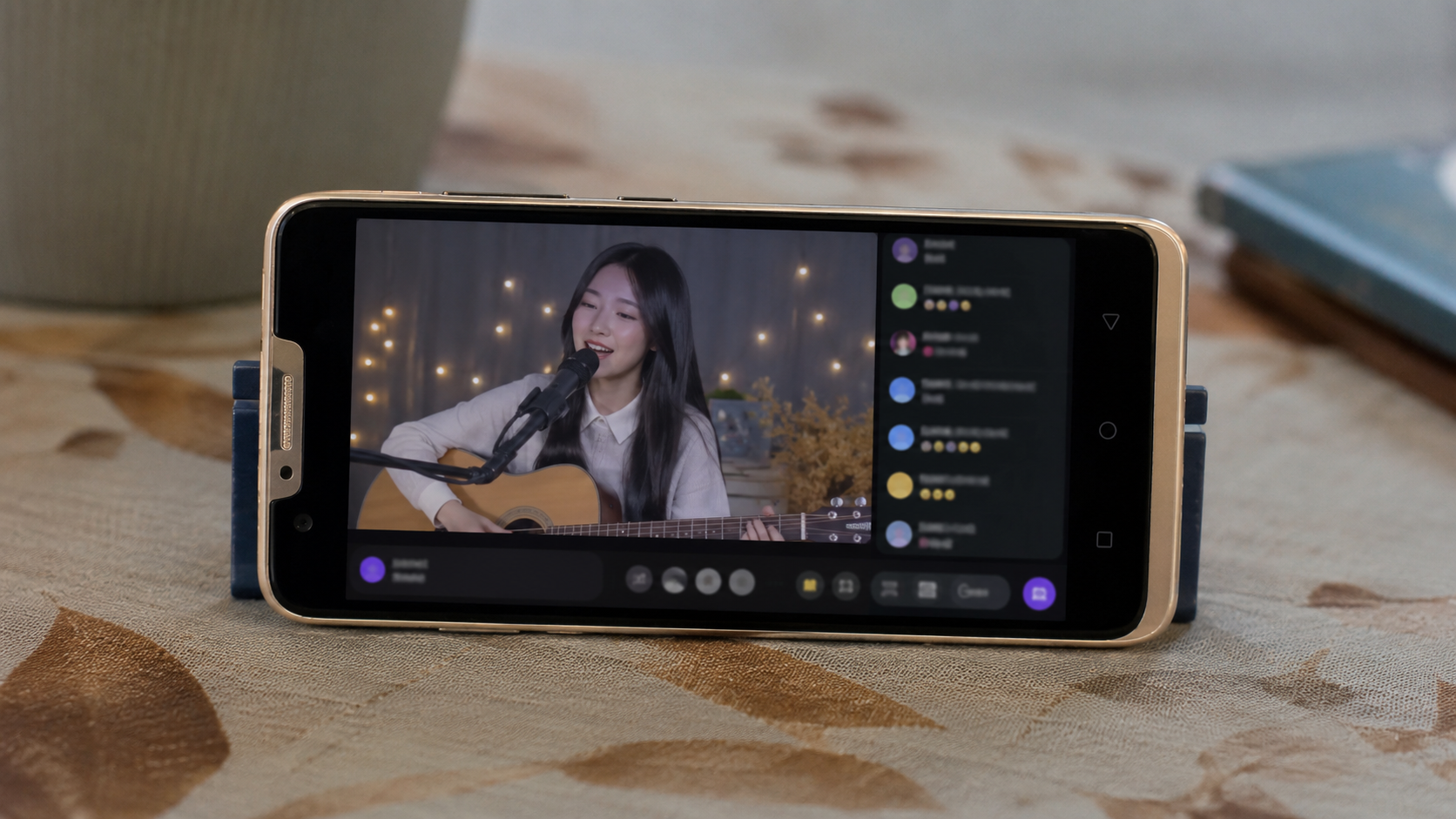
Paid 1v1 calls look clean in a demo. One user taps call, the host answers, the timer starts, coins move, and both sides leave happy. Real calls are not that tidy. Someone hangs up after six seconds. A host answers late. The caller runs out of coins halfway through a sentence. A network switch freezes the video but not the billing timer. A user asks for refund because the host did not speak. These are the cases that decide whether a private-call product feels trustworthy.
This is why paid-call billing deserves its own review before a launch. It connects product design, wallet logic, host income, support policy, and risk control. If you are checking a 1v1 app or a broader bigo live clone source code package with private call features, do not stop at a successful test call. Ask how the system behaves when the call is awkward, short, interrupted, or disputed.
The First Problem Is When Billing Actually Starts
There are at least three possible start points for a paid 1v1 call: when the caller taps the button, when the host accepts, or when media connection is established. Only one of those feels fair to most users. Charging from the tap is usually wrong. Charging from host acceptance is better, but still risky if video or audio does not connect. Charging from confirmed media connection is cleaner, though it requires better state tracking.
A practical implementation should separate call request, host accept, media connected, billing started, billing tick, and call ended. If those states are collapsed into one flag called is_calling, support will have a hard time later.
call_state:
  call_id: call_20260707_0081
  caller_id: u_1833
  host_id: u_7710
  status: media_connected
  requested_at: 14:02:11
  accepted_at: 14:02:18
  media_connected_at: 14:02:21
  billing_started_at: 14:02:21
  rate_per_minute: 160
The user does not need to see all this. The admin panel does. When someone asks why coins were deducted, this timeline answers the question.
Short Calls Need A Written Rule
Short calls cause the most emotional disputes. The caller says the call barely started. The host says they answered. The platform sees a connected call. Everyone has a point.
Write the rule before launch. For example: no charge if the connected call is under five seconds, charge one minimum unit after five seconds, round up after every started minute, or use second-level billing for premium markets. There is no single correct rule, but there must be one rule.
- Under 5 seconds: no charge or automatic review.
- 5-60 seconds: one billing unit.
- After 60 seconds: per-minute or per-second depending on product design.
- Network failure before media connection: no charge.
- Host accepts but never sends media: review or no charge.
Do not hide the rule inside code only. Support and finance need to know it, and the user-facing copy should not contradict it.
Low Balance Cutoff Should Feel Predictable
Low balance is not an edge case. It is common. A user may enter a call with enough coins for two minutes, then run out while the conversation is going well. If the app suddenly drops the call with no warning, the experience feels broken. If the app continues without charging, the platform loses money. If it deducts into negative balance, reconciliation gets messy.
A better flow warns before cutoff, pauses extension, or prompts recharge. The wallet should reserve enough balance for the next billing unit, then release unused reserve when the call ends.
billing_tick:
  call_id: call_20260707_0081
  current_minute: 3
  required_coin_for_next_unit: 160
  caller_balance: 140
  action: warn_and_end_before_next_unit
  user_message: balance_not_enough_to_continue
This kind of boring event record prevents angry tickets. It also makes wallet reconciliation easier because every cutoff has a reason.
Host Income Should Not Be Final Immediately
Private calls often pay hosts faster than public-room gifts, but instant final settlement is risky. A call may be refunded, reported, or flagged for suspicious behavior. If host earnings become withdrawable immediately, the platform may pay out before reviewing disputes.
A safer model separates gross call income, pending host income, review hold, and withdrawable income. The hold does not need to be long for every market. Even a short review window helps when refund or abuse reports arrive after the call.
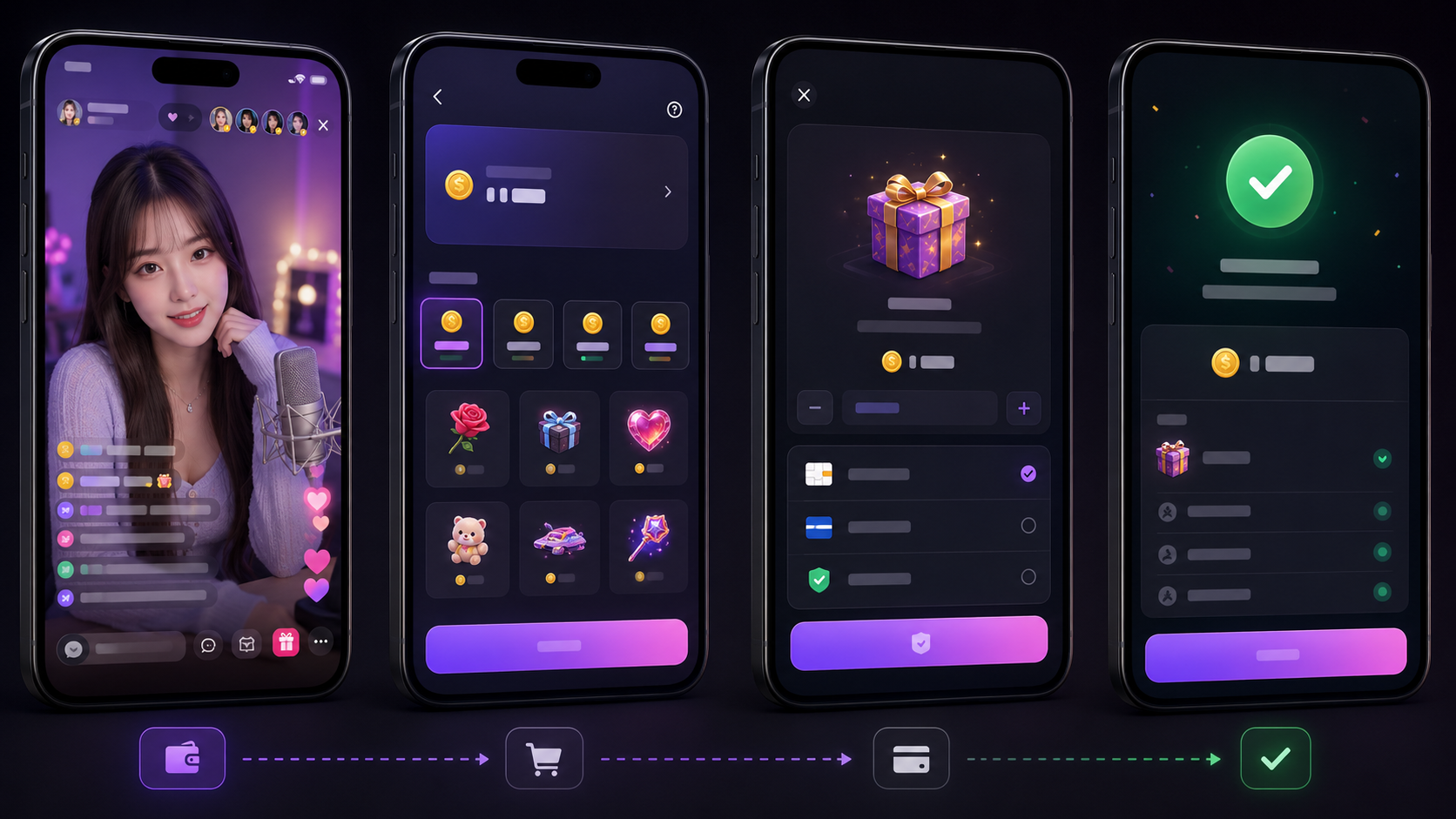
- Call completes and billing is calculated.
- Caller wallet ledger records debit.
- Host income ledger records pending credit.
- Risk window checks disputes, refunds, abnormal call patterns.
- Approved amount becomes withdrawable.
If the seller’s admin panel only shows “host balance” with no pending/withdrawable split, ask how refunds and disputes are handled.
Refunds Need Reason Codes, Not Free Text
Refunds are not only customer service. They are data. If every refund is written as free text, no one can see patterns. Use reason codes: no media, abusive host, wrong billing, network failure, host silent, user mistake, duplicate charge, manual goodwill.
Reason codes help product decisions. If many refunds are marked no media, the call connection logic needs work. If many are host silent, host quality is the issue. If many are wrong billing, the timer and ledger need review.
Admin Review Should Connect Call, Wallet, And Report
Support should not jump between five screens. A good admin review page shows call timeline, billing ticks, wallet ledger, host income, user reports, refund status, and operator notes together.
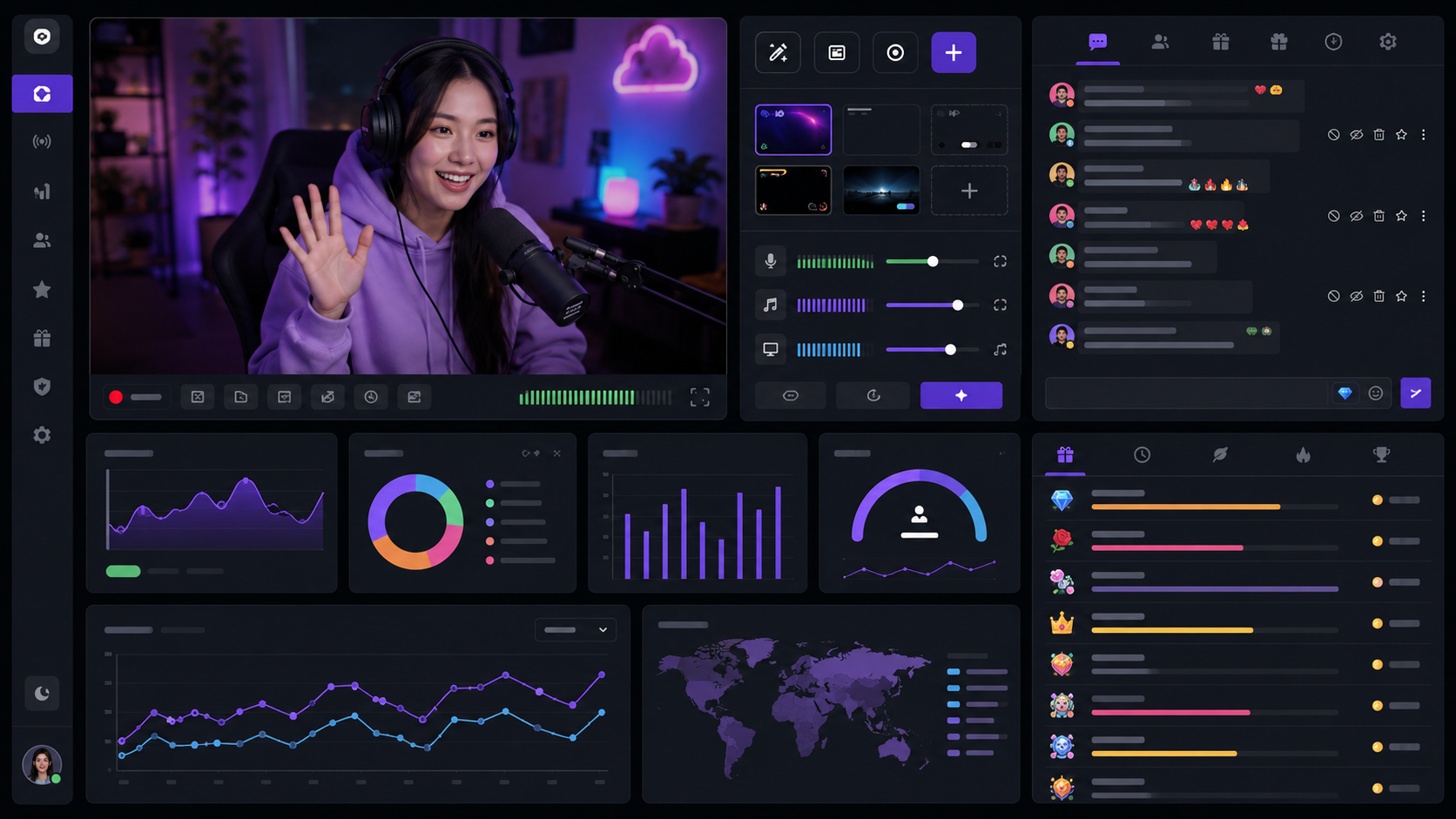
For each paid call, ask whether admin can see:
- Request, accept, connect, billing start, and end timestamps.
- Caller balance before and after each billing unit.
- Host income pending and withdrawable status.
- End reason: caller hangup, host hangup, low balance, network loss, admin close.
- Reports, refunds, and operator decisions.
If this information is hidden in logs only, the support team will depend on engineers. That is not a stable operating model.
What To Test Before Shipping Paid Calls
- Call under five seconds, ten seconds, one minute, and three minutes.
- Host accepts but media connection fails.
- Caller balance runs out during call.
- Caller switches network while billing is active.
- Host hangs up first, caller hangs up first, app crashes.
- User reports call and asks for refund.
- Finance checks host income before and after refund.
Run these tests before launch, not after the first refund storm. The point is not to create a perfect rule for every case. The point is to make every case explainable.
FAQ
Should paid 1v1 calls charge by minute or by second?
Per-minute billing is easier to understand and common in entertainment apps. Per-second billing feels fairer but needs cleaner ledger records. Either can work if the rule is visible and consistent.
When should billing start?
The safest rule is to start billing after media connection is confirmed, not simply when the caller taps or the host accepts.
Can host income be withdrawable immediately?
It can, but it is risky. A pending period gives the platform time to handle refunds, reports, and suspicious call behavior.
Where should this connect inside a full live app?
Paid call billing should share wallet, identity, risk, and admin review with the rest of the platform. For a wider buyer view, check the live voice dating app pages.
Need to review paid-call billing before launch?
If you are buying or launching a 1v1 video chat, live voice, or dating app source code package, I can help review billing rules, wallet ledger, host income, refunds, and admin audit flow.
WhatsApp: +44 7999 529473
Mail: [email protected]